

Ethan Caldwell
Crypto Analyst
The concept of ownership has undergone a profound transformation in the digital age. Traditionally, owning something meant having physical possession or a legally recognized claim over a tangible asset. However, as the world becomes increasingly digital, the definition of ownership is evolving. Non‑fungible tokens (NFTs) are at the forefront of this shift, offering a new way to establish, verify, and transfer ownership in a virtual environment.
Understanding Digital Ownership
Before the rise of NFTs, digital ownership was often ambiguous. When people purchased digital items such as music, art, or in‑game assets, they typically acquired a license to use the content rather than true ownership. These assets could be duplicated endlessly, making it difficult to establish scarcity or authenticity.
NFTs change this dynamic by introducing a system where each digital asset is unique and verifiable. Built on blockchain technology, NFTs provide a transparent and immutable record of ownership. This ensures that even though a digital file can be copied, the original ownership remains distinct and traceable.
The Role of Blockchain Technology
At the core of NFTs is blockchain technology, which acts as a decentralized ledger. This ledger records every transaction related to an NFT, including its creation, sale, and transfer. Because the data is distributed across multiple nodes, it is highly resistant to tampering.
This transparency builds trust among users. Buyers can verify the authenticity of an asset and confirm its ownership history before making a purchase. For creators, blockchain ensures that their work is properly attributed and protected from unauthorized claims.
Redefining Scarcity in the Digital World
One of the most significant contributions of NFTs is the introduction of scarcity to digital assets. In the physical world, scarcity is inherent—there is only one original painting or a limited number of collectible items. In contrast, digital files can be replicated infinitely.
NFTs solve this problem by assigning a unique identifier to each asset. This identifier distinguishes the original from copies, creating a sense of rarity and value. As a result, digital art, collectibles, and other assets can now hold intrinsic worth similar to physical items.
Empowering Creators
NFTs have opened new avenues for creators across various fields. Artists, musicians, and designers can now tokenize their work and sell it directly to their audience without relying on intermediaries. This not only increases their revenue potential but also gives them greater control over their creations.
Additionally, NFTs can include smart contracts that allow creators to earn royalties on secondary sales. Every time the asset is resold, a percentage of the transaction can automatically be transferred to the original creator. This creates a sustainable income stream and aligns incentives between creators and collectors.
Expanding Beyond Art and Collectibles
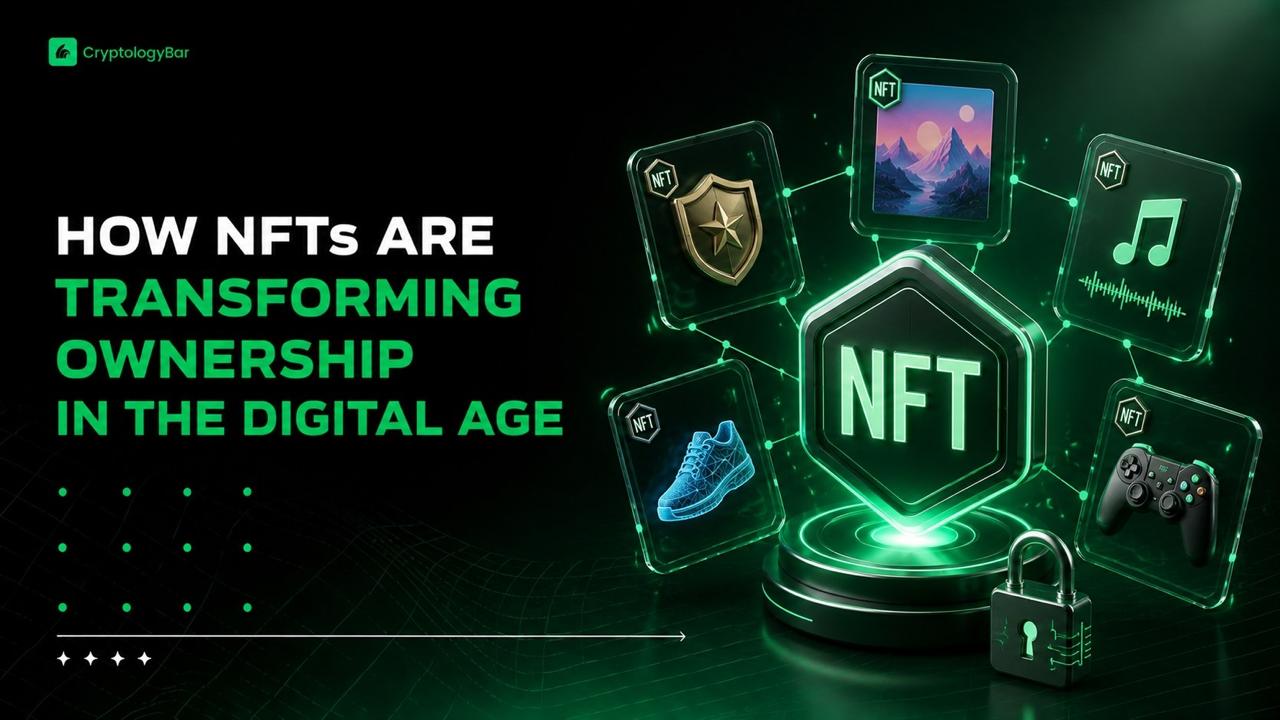
While NFTs initially gained popularity through digital art and collectibles, their applications extend far beyond these areas. They are increasingly being used in gaming, where players can own in‑game assets such as characters, skins, and weapons. Unlike traditional games, these assets can often be traded or sold outside the game environment.
NFTs are also making their way into industries like real estate, music, and intellectual property. For example, property ownership can be represented as NFTs, simplifying transactions and reducing paperwork. Similarly, musicians can release exclusive content or experiences through NFTs, creating new ways to engage with fans.
Enhancing Transparency and Security
Another key advantage of NFTs is the level of transparency and security they provide. Because all transactions are recorded on the blockchain, there is a clear and accessible history of ownership. This reduces the risk of fraud and ensures that buyers can trust the authenticity of the asset.
Moreover, the decentralized nature of blockchain eliminates the need for a central authority. This reduces the risk of manipulation and increases the resilience of the system. Users have greater control over their assets, which aligns with the broader trend toward decentralization in the digital economy.
Challenges and Considerations
Despite their potential, NFTs are not without challenges. One of the primary concerns is the environmental impact of blockchain networks, particularly those that rely on energy‑intensive consensus mechanisms. However, many platforms are transitioning to more sustainable alternatives, which could mitigate this issue over time.
Another challenge is the lack of clear regulation. As NFTs continue to evolve, legal frameworks will need to adapt to address issues such as intellectual property rights, taxation, and consumer protection. Without proper regulation, there is a risk of misuse and exploitation.
Additionally, the market for NFTs can be highly volatile. Prices are often influenced by trends and speculation, which can lead to rapid fluctuations. This makes it important for participants to approach the space with caution and conduct thorough research.
The Future of Digital Ownership
Looking ahead, NFTs have the potential to redefine ownership across multiple domains. As technology advances, we may see greater integration of NFTs with everyday digital experiences. From virtual worlds to online identities, NFTs could become a fundamental component of how people interact and transact in the digital space.
The concept of owning digital assets is likely to become more mainstream, driven by increasing awareness and adoption. As more industries explore the possibilities of NFTs, their impact on ownership models will continue to expand.
Conclusion
NFTs are transforming the way ownership is perceived and practiced in the digital age. By providing a secure, transparent, and verifiable system, they address many of the limitations associated with traditional digital assets. From empowering creators to enabling new forms of interaction, NFTs are reshaping the digital landscape in meaningful ways.
While challenges remain, the potential benefits of NFTs are significant. As the technology matures and adoption grows, it is likely to play a central role in defining the future of ownership. In a world where digital experiences are increasingly dominant, NFTs offer a compelling solution for establishing value and authenticity.