

Ethan Caldwell
Crypto Analyst
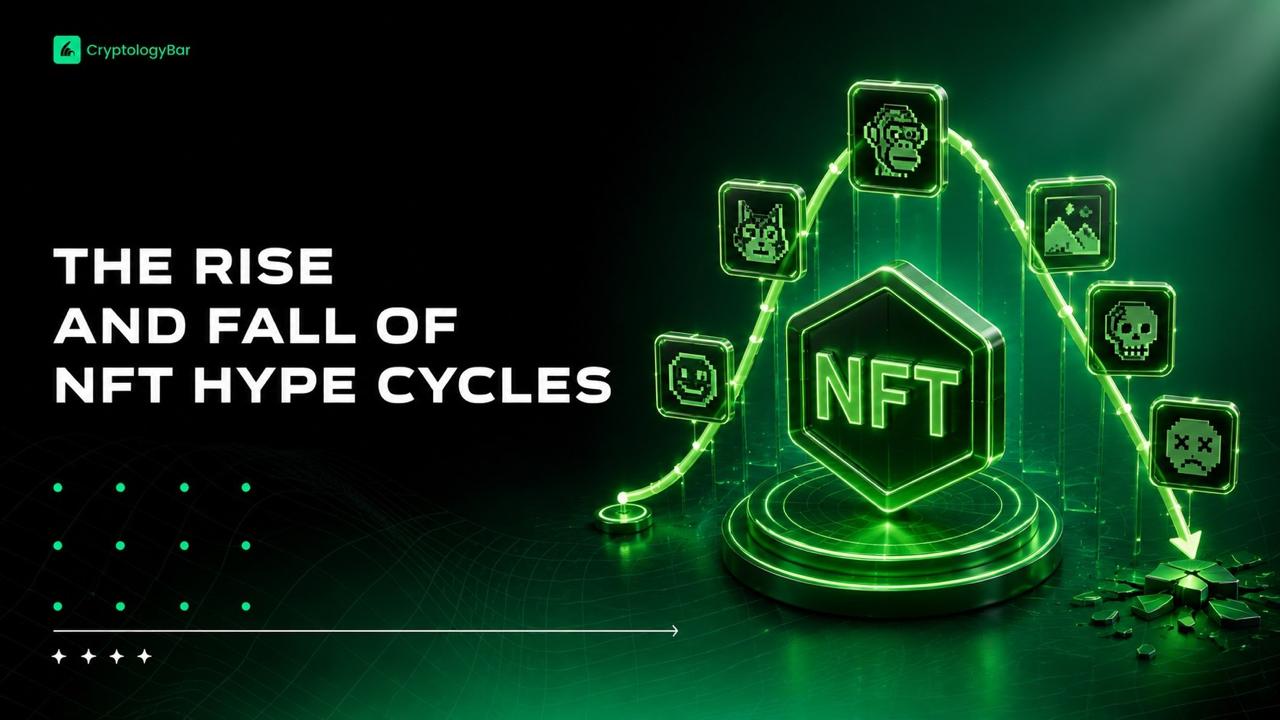
The world of non‑fungible tokens (NFTs) has experienced dramatic highs and notable lows in a relatively short period. What began as a niche innovation quickly evolved into a global phenomenon, capturing the attention of artists, investors, brands, and the general public. However, like many emerging technologies, NFTs have gone through cycles of intense hype followed by periods of decline. Understanding these cycles provides valuable insight into both the potential and the limitations of the NFT ecosystem.
The Emergence of NFT Hype
NFTs first gained widespread attention through digital art and collectibles. High‑profile sales and celebrity endorsements brought the concept into mainstream awareness. Suddenly, digital assets that were once easily replicated were being sold for significant amounts, creating a sense of excitement and curiosity.
This initial surge was fueled by a combination of novelty and accessibility. Anyone with internet access could participate, whether as a creator or a buyer. Social media platforms amplified success stories, leading to a rapid influx of new participants eager to capitalize on the trend.
As more people entered the space, demand increased, pushing prices higher and reinforcing the perception that NFTs were a lucrative opportunity.
The Peak of the Hype Cycle
At the height of the NFT boom, the market saw unprecedented levels of activity. Collections were selling out within minutes, and secondary markets thrived with constant trading. The fear of missing out (FOMO) became a powerful driver, encouraging individuals to invest quickly without thorough research.
During this phase, the focus often shifted away from utility and toward speculation. Many projects were launched with minimal substance, relying instead on marketing and community hype to attract buyers. While some participants achieved significant gains, others entered the market at inflated prices.
The rapid growth created an unsustainable environment, where expectations often exceeded reality.
The Turning Point
As with many hype‑driven markets, a turning point eventually emerged. Several factors contributed to the slowdown of the NFT boom:
Market saturation, with too many similar projects entering the space
Declining buyer interest as novelty began to wear off
Increased scrutiny regarding the value and utility of NFTs
Broader market conditions affecting digital asset investments
As enthusiasm cooled, prices began to stabilize and, in many cases, decline. Projects that lacked strong fundamentals struggled to maintain relevance, leading to a noticeable shift in sentiment.
The Decline Phase
The decline of the hype cycle was marked by reduced trading volumes and falling valuations. Many participants who entered during the peak experienced losses, leading to skepticism about the long‑term viability of NFTs.
This phase also exposed weaknesses within the ecosystem. Issues such as low‑quality projects, lack of clear use cases, and overreliance on speculation became more apparent. As a result, both investors and creators began to adopt a more cautious approach.
However, while the hype diminished, the underlying technology remained intact. This distinction is crucial, as it highlights the difference between short‑term trends and long‑term innovation.
Lessons Learned from the Cycle
The rise and fall of NFT hype cycles offer several important lessons:
Hype is temporary: Rapid growth driven by excitement is often unsustainable
Utility matters: Projects with real‑world applications are more likely to endure
Research is essential: Informed decision‑making can reduce exposure to risk
Market cycles are natural: Periods of growth and decline are part of technological evolution
These insights have encouraged a more mature perspective within the NFT community, emphasizing sustainability over speculation.
The Shift Toward Utility
Following the decline of hype, the focus has gradually shifted toward practical applications of NFTs. Developers and businesses are exploring ways to integrate NFTs into industries such as gaming, real estate, identity verification, and supply chain management.
This transition represents a move away from purely speculative use cases and toward solutions that provide tangible value. By addressing real‑world challenges, NFTs have the potential to regain credibility and attract a broader audience.
The Role of Community and Innovation
Despite the fluctuations in market sentiment, community engagement remains a vital component of the NFT ecosystem. Strong communities can support projects through both growth and decline, fostering resilience and long‑term development.
Innovation also plays a key role in shaping the future of NFTs. As new technologies emerge and existing systems improve, the possibilities for NFT applications continue to expand. This ongoing evolution ensures that the space remains dynamic and adaptable.
Looking Ahead
The NFT market is still in its early stages, and future cycles are likely. However, each cycle brings greater awareness and understanding, contributing to the overall maturation of the ecosystem.
As the industry moves forward, success will depend on the ability to balance innovation with practicality. Projects that prioritize user experience, scalability, and real‑world relevance are more likely to thrive in the long term.
Rather than viewing the decline of hype as a failure, it can be seen as a necessary phase that clears the way for more meaningful development.
Conclusion
The rise and fall of NFT hype cycles illustrate the complex nature of emerging technologies. While the initial excitement brought widespread attention, it also led to unrealistic expectations and speculative behavior.
The subsequent decline provided an opportunity for reflection and growth, highlighting the importance of utility, sustainability, and informed participation. As NFTs continue to evolve, they are moving beyond hype and toward a more stable and impactful role in the digital economy.
Ultimately, the true potential of NFTs lies not in short‑term trends but in their ability to transform how ownership and value are defined in the digital age.