

Ethan Caldwell
Crypto Analyst
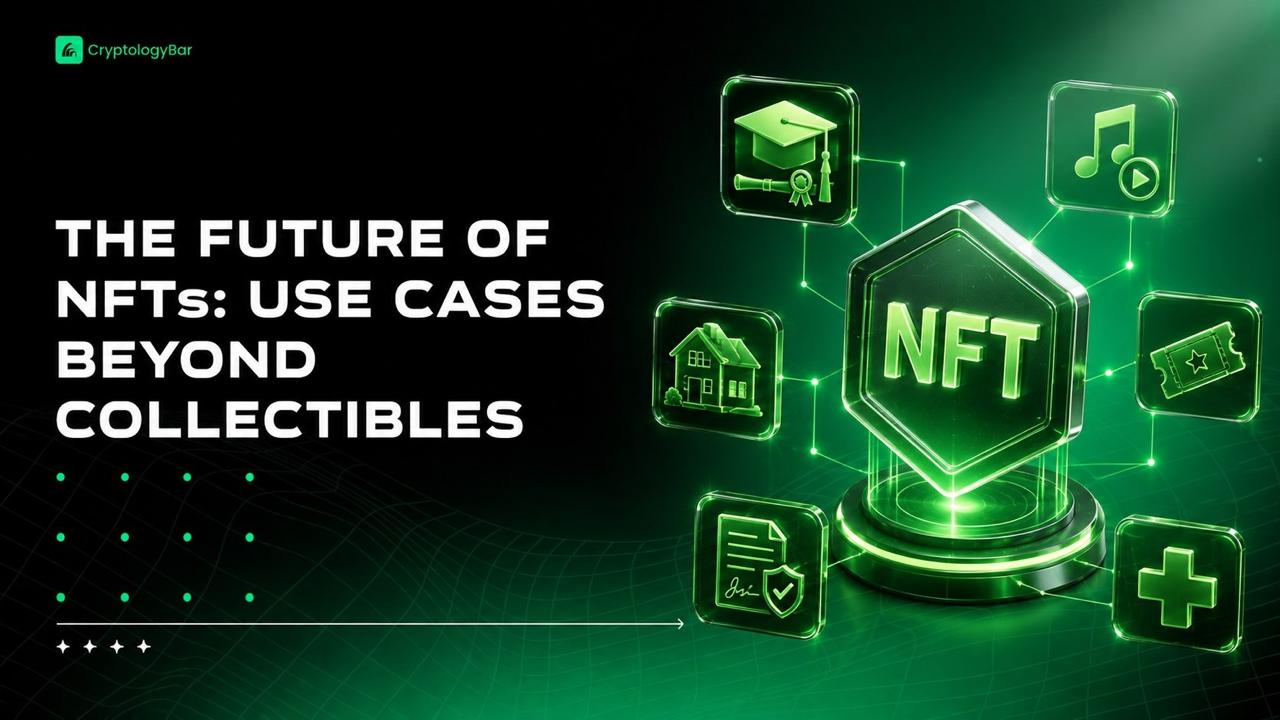
Non‑fungible tokens (NFTs) have come a long way since their initial rise in popularity, which was largely driven by digital art and collectibles. While these early use cases captured global attention, they only scratched the surface of what NFTs are capable of achieving. As the technology matures, NFTs are steadily moving beyond collectibles and into practical, real‑world applications that could redefine how we interact with digital and physical assets.
Moving Past the Hype Phase
The early NFT boom was characterized by high‑profile sales, viral trends, and speculative investments. While this phase played a crucial role in bringing NFTs into mainstream awareness, it also led to skepticism about their long‑term value.
Today, the focus is shifting from hype to utility. Developers, businesses, and creators are exploring how NFTs can solve real problems, streamline processes, and create new opportunities. This transition marks a critical step in the evolution of NFTs, positioning them as functional tools rather than just digital novelties.
NFTs in Digital Identity
One of the most promising applications of NFTs lies in digital identity. In an increasingly online world, verifying identity securely and efficiently has become a major challenge. NFTs can serve as unique identifiers that represent an individual’s credentials, achievements, or affiliations.
For example, educational certificates, professional licenses, and personal records can be tokenized as NFTs. This allows individuals to maintain control over their data while enabling easy verification by third parties. Such a system could reduce fraud and simplify processes across industries like education, employment, and finance.
Transforming the Gaming Industry
The gaming sector is already experiencing a shift with the integration of NFTs. Traditionally, in‑game assets are controlled by developers, and players have limited ownership rights. NFTs change this dynamic by allowing players to truly own their digital items.
Weapons, skins, characters, and virtual land can be tokenized and traded across platforms. This not only enhances the gaming experience but also introduces economic opportunities for players. In some cases, players can earn income through gameplay, creating entirely new digital economies.
As interoperability improves, assets from one game could potentially be used in another, further expanding the possibilities for gamers and developers alike.
Revolutionizing Real Estate and Asset Ownership
NFTs are also making their way into real estate and asset management. By representing property ownership as NFTs, transactions can become faster, more transparent, and less dependent on intermediaries.
Tokenization allows for fractional ownership, enabling multiple individuals to invest in high‑value assets such as real estate or fine art. This lowers the barrier to entry and opens up investment opportunities to a broader audience.
In addition, the use of blockchain ensures that ownership records are secure and easily verifiable, reducing the risk of disputes and fraud.
NFTs in Music and Entertainment
The music and entertainment industries are exploring NFTs as a way to connect more directly with audiences. Artists can release exclusive content, such as limited‑edition tracks, behind‑the‑scenes footage, or virtual experiences, in the form of NFTs.
This approach allows creators to monetize their work without relying heavily on traditional distribution channels. Fans, in turn, gain access to unique content and experiences that deepen their connection with the artist.
NFTs can also be used to manage royalties, ensuring that creators receive fair compensation whenever their work is used or resold.
Enhancing Supply Chain Transparency
Another emerging use case for NFTs is in supply chain management. By tokenizing products, companies can track items from production to delivery with greater accuracy. Each NFT can store information about the product’s origin, manufacturing process, and journey through the supply chain.
This level of transparency is particularly valuable in industries where authenticity and quality are critical, such as luxury goods, pharmaceuticals, and food production. Consumers can verify the authenticity of products, while businesses can improve efficiency and accountability.
Event Ticketing and Access Control
NFTs have the potential to transform event ticketing systems. Traditional ticketing methods are often plagued by issues such as fraud, scalping, and lack of transparency. NFT‑based tickets can address these challenges by providing secure and verifiable proof of ownership.
Event organizers can also embed additional features into NFT tickets, such as access to exclusive content, merchandise, or future events. This enhances the overall experience for attendees and creates new revenue streams for organizers.
Furthermore, NFTs can be used for access control in various settings, including memberships, subscriptions, and private communities.
Integration with the Metaverse
As the concept of the metaverse gains traction, NFTs are expected to play a central role in shaping virtual environments. In these digital spaces, NFTs can represent ownership of virtual land, assets, and identities.
Users can buy, sell, and trade virtual goods, creating economies that mirror real‑world systems. This integration opens up opportunities for businesses to establish a presence in virtual worlds and engage with users in innovative ways.
The combination of NFTs and the metaverse could redefine how people interact, work, and socialize in the digital realm.
Challenges and the Road Ahead
Despite their potential, NFTs still face several challenges. Scalability, regulatory uncertainty, and environmental concerns remain key issues that need to be addressed. Additionally, widespread adoption will require improved user experience and greater awareness among the general public.
However, ongoing advancements in blockchain technology are likely to mitigate many of these challenges. As the ecosystem evolves, NFTs are expected to become more accessible, efficient, and sustainable.
Conclusion
The future of NFTs extends far beyond collectibles. As the technology continues to mature, it is unlocking new possibilities across a wide range of industries. From digital identity and gaming to real estate and supply chains, NFTs are reshaping how ownership and value are defined in the digital age.
While challenges remain, the shift toward utility‑driven applications signals a promising future. By focusing on real‑world use cases, NFTs are positioning themselves as a transformative force in the global economy, paving the way for a more decentralized and interconnected digital landscape.