

Ethan Caldwell
Crypto Analyst
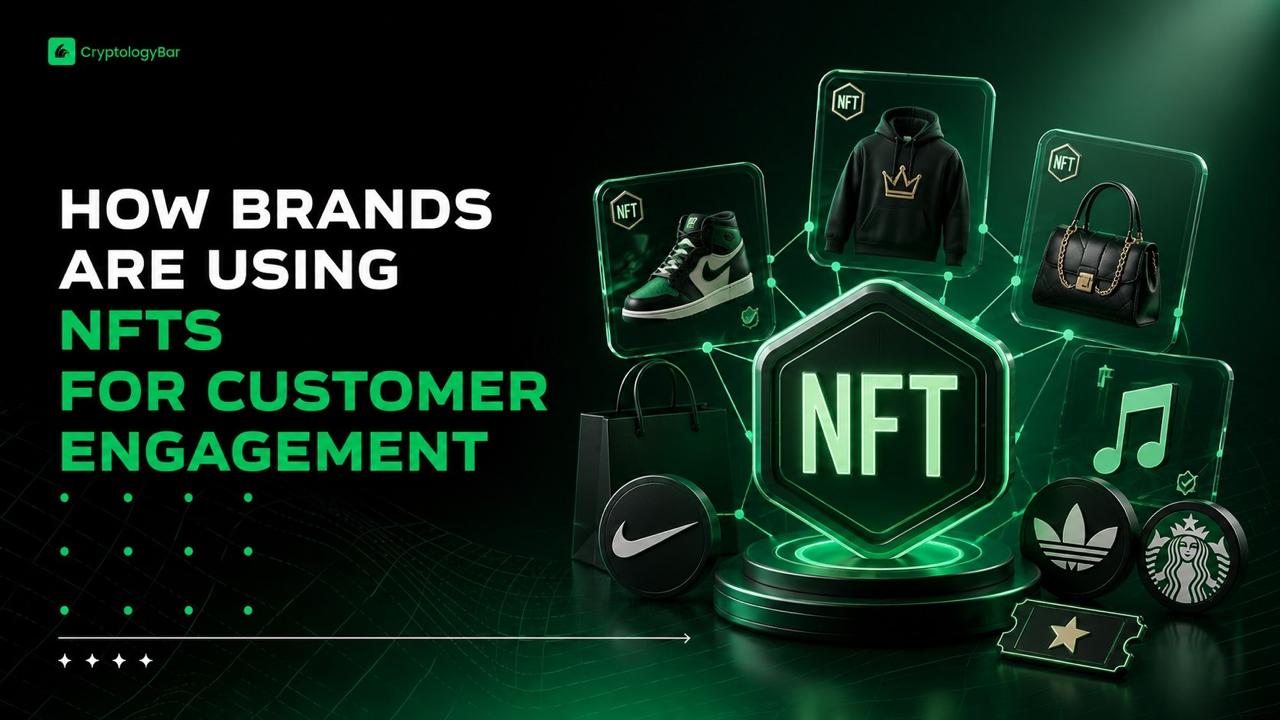
In today’s competitive digital landscape, brands are constantly searching for innovative ways to connect with their audiences. Traditional marketing strategies, while still relevant, are no longer sufficient to capture and retain consumer attention in an increasingly saturated market. This has led to the rise of new technologies that enable deeper, more interactive engagement. Among these, non‑fungible tokens (NFTs) have emerged as a powerful tool for redefining how brands interact with their customers.
The Shift Toward Experiential Engagement
Modern consumers are no longer satisfied with passive interactions. They seek experiences that are immersive, personalized, and meaningful. NFTs offer a unique way for brands to deliver such experiences by transforming digital interactions into something tangible and valuable.
Unlike traditional digital assets, NFTs provide verifiable ownership and exclusivity. This allows brands to create limited‑edition offerings that feel special and collectible, enhancing the emotional connection between the brand and its audience.
Creating Digital Collectibles
One of the most common ways brands use NFTs is through digital collectibles. These can include artwork, virtual merchandise, or branded content that customers can own and showcase. Limited supply often drives demand, creating a sense of urgency and excitement.
For example, brands can release exclusive NFT collections tied to product launches or special events. Customers who acquire these NFTs not only gain a unique digital asset but also become part of a select community. This sense of belonging can significantly strengthen brand loyalty.
Unlocking Exclusive Access
NFTs are increasingly being used as access tokens. Brands can design NFTs that grant holders special privileges, such as entry to events, early access to products, or exclusive content.
This approach transforms NFTs into more than just collectibles—they become functional assets that enhance the customer experience. For instance, owning a brand’s NFT might allow a customer to attend a private virtual event or receive behind‑the‑scenes content that is not available to the general public.
By offering these benefits, brands can create a deeper level of engagement and reward their most dedicated supporters.
Enhancing Loyalty Programs
Traditional loyalty programs often rely on points and discounts, which can feel transactional and repetitive. NFTs introduce a new dimension to loyalty by making rewards more dynamic and meaningful.
Brands can issue NFTs as part of their loyalty initiatives, representing achievements, milestones, or special rewards. These tokens can be collected, traded, or redeemed for various benefits, adding an element of gamification to the experience.
This not only increases participation but also encourages long‑term engagement, as customers are motivated to continue interacting with the brand to unlock additional rewards.
Building Communities Around Ownership
NFTs naturally foster community building. When customers own a brand’s NFT, they often feel a stronger connection to both the brand and other holders. This creates opportunities for brands to develop exclusive communities where members can interact, share experiences, and participate in collaborative activities.
These communities can be hosted on social platforms, forums, or even within virtual environments. By facilitating these interactions, brands can strengthen relationships and create a sense of shared identity among their audience.
Community‑driven engagement also provides valuable feedback, allowing brands to better understand their customers’ preferences and expectations.
Integrating NFTs with Physical Products
Another innovative use of NFTs is their integration with physical goods. Brands can pair physical products with NFTs that serve as proof of authenticity or ownership. This is particularly valuable in industries such as fashion, luxury goods, and collectibles.
For example, a customer purchasing a limited‑edition item might receive a corresponding NFT that verifies its authenticity. This not only enhances the perceived value of the product but also provides a digital record that can be easily transferred or verified.
Such integration bridges the gap between physical and digital experiences, offering customers a more comprehensive and engaging interaction with the brand.
Leveraging Gamification and Interactivity
NFTs enable brands to introduce gamified elements into their engagement strategies. Challenges, quests, and interactive campaigns can be designed where customers earn NFTs by completing specific actions.
This approach turns engagement into an active experience rather than a passive one. Customers are encouraged to participate, explore, and interact with the brand in creative ways. The reward of earning a unique NFT adds motivation and excitement to the process.
Gamification not only increases engagement but also helps brands stand out in a crowded marketplace.
Challenges and Considerations
While NFTs offer significant opportunities, brands must also navigate certain challenges. The technology is still evolving, and not all consumers are familiar with how NFTs work. This can create barriers to adoption.
Additionally, concerns around environmental impact, security, and market volatility need to be addressed. Brands must ensure that their NFT initiatives are transparent, user‑friendly, and aligned with their overall values.
It is also important to focus on delivering genuine value rather than simply following trends. NFTs should enhance the customer experience, not complicate it.
The Future of Brand Engagement
As NFTs continue to evolve, their role in customer engagement is likely to expand. Advances in technology and increasing awareness will make it easier for brands to integrate NFTs into their strategies.
In the future, we may see more seamless experiences where NFTs are embedded into everyday interactions, from shopping and entertainment to social networking. Brands that adopt these innovations early will be better positioned to build strong, lasting relationships with their audiences.
Conclusion
NFTs are transforming the way brands engage with their customers by introducing new levels of interactivity, ownership, and exclusivity. From digital collectibles and loyalty programs to community building and gamification, the possibilities are vast and continually expanding.
By leveraging NFTs thoughtfully and strategically, brands can create meaningful experiences that resonate with modern consumers. As the digital landscape continues to evolve, NFTs offer a powerful tool for fostering deeper connections and redefining customer engagement in the years to come.