

Sophia Bennett
Crypto Analyst
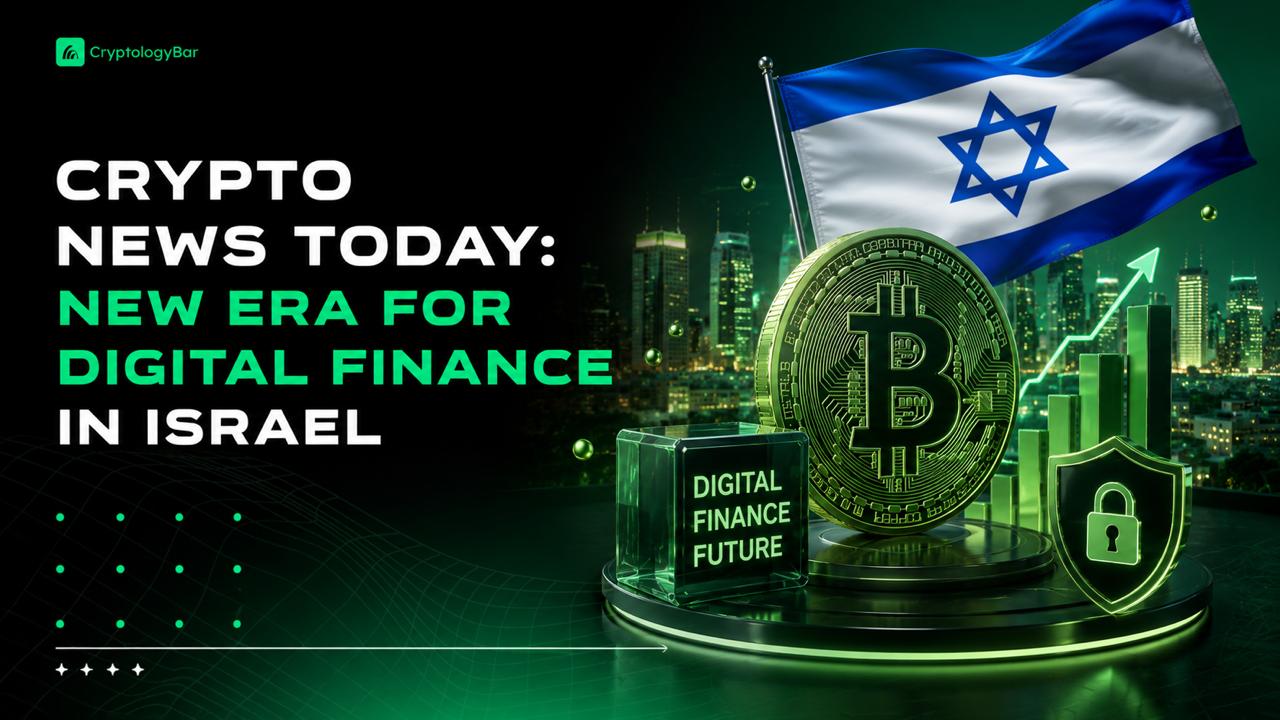
Israel has taken a monumental step toward the future of digital finance with the official approval of BILS. This marks the first time the nation has greenlit a fully regulated stablecoin pegged to the Israeli Shekel. Developed by the financial technology firm Bits of Gold, BILS is not just another token in the crowded crypto space; it represents a bridge between traditional banking systems and the rapidly evolving world of decentralized finance.
The approval comes at a time when global regulators are racing to find a balance between innovation and security. By authorizing BILS, the Israeli Capital Markets, Insurance, and Savings Authority has sent a clear signal that the country is ready to embrace the benefits of blockchain technology while maintaining strict oversight to protect consumers and the broader economy.
Why Solana Was the Chosen Network
While many stablecoins launch on Ethereum, the developers of BILS chose the Solana blockchain as their home base. This decision was driven by Solana’s reputation for high speed and incredibly low transaction costs. For a stablecoin to be useful in everyday life, it needs to handle thousands of transactions per second without charging users high gas fees.
Solana provides the necessary infrastructure for BILS to function as a legitimate medium of exchange. Whether it is for cross‑border payments, domestic transfers, or interacting with decentralized applications, the efficiency of the Solana network ensures that the digital shekel remains practical for both institutional players and everyday retail users.
Bridging the Gap with Bits of Gold
Bits of Gold, a pioneer in the Israeli crypto landscape, has worked closely with regulators to ensure BILS meets the highest standards of transparency. The stablecoin is fully backed by shekel reserves held in regulated bank accounts. This ensures that for every digital BILS token in circulation, there is an actual shekel safely stored, providing the stability and trust that investors demand.
The launch of BILS is expected to simplify how Israelis interact with the global Web3 ecosystem. Instead of having to convert shekels into US Dollar‑pegged stablecoins like USDT or USDC, users can now move directly from their local currency into a digital asset that maintains its value relative to their own economy. This reduces conversion fees and eliminates the headache of exchange rate volatility for local traders.
The Road Ahead for Regulated Stablecoins
The introduction of BILS could pave the way for more "Fiat‑to‑Crypto" solutions in the Middle East. As more businesses look to integrate blockchain payments, having a regulated, shekel‑backed asset makes the transition much smoother. It also sets a precedent for other nations to follow, showing that regulation does not have to stifle innovation.
Investors are keeping a close eye on how BILS performs in the coming months. If successful, it could trigger a wave of institutional adoption in Israel, bringing more liquidity to the Solana network and proving that stablecoins are a vital tool for the next generation of global finance. For now, Israel has secured its spot as a forward‑thinking hub for the digital economy.