

Ethan Caldwell
Crypto Analyst
As blockchain technology continues to evolve, Ethereum has become one of the most widely used platforms for decentralized applications, smart contracts, and digital assets. However, one concept that often confuses beginners and frustrates users is “gas fees.” These fees play a critical role in how the Ethereum network functions, influencing everything from transaction speed to overall usability.
Understanding gas fees is essential for anyone interacting with Ethereum, as they directly affect the cost and efficiency of using the network.
What Are Gas Fees in Ethereum?
People who want to use the Ethereum network must pay "gas fees" in order to make transactions or carry out smart contracts. It takes computing power to do everything on Ethereum, like sending cryptocurrency, trading tokens, or interacting with a decentralized app. Gas fees pay people in the network for providing these resources.
In simple terms, gas is the unit that measures the amount of computational work required to process an operation. The more complex the transaction, the more gas it consumes. Users pay these fees in Ether (ETH), the native currency of the Ethereum network.
Why Gas Fees Exist
Gas fees exist to maintain the security and functionality of the Ethereum network. Since Ethereum is decentralized, there is no central authority processing transactions. Instead, network participants validate and record transactions on the blockchain.
By requiring users to pay gas fees, Ethereum ensures that validators are rewarded for their work. This incentive system keeps the network running smoothly and prevents malicious actors from overwhelming the system with spam transactions. Without gas fees, the network could become congested or vulnerable to attacks.
How Gas Fees Work
Gas fees are determined by two main components: gas limit and gas price. The gas limit refers to the maximum amount of computational work a user is willing to allow for a transaction. The gas price, on the other hand, is the amount the user is willing to pay per unit of gas.
When a transaction is submitted, validators prioritize those with higher gas prices. This creates a competitive environment where users can pay more to have their transactions processed faster. As a result, gas fees can fluctuate based on network demand.
During periods of high activity, such as popular NFT launches or DeFi events, gas fees can rise significantly as users compete for limited block space.
The Impact of Network Congestion
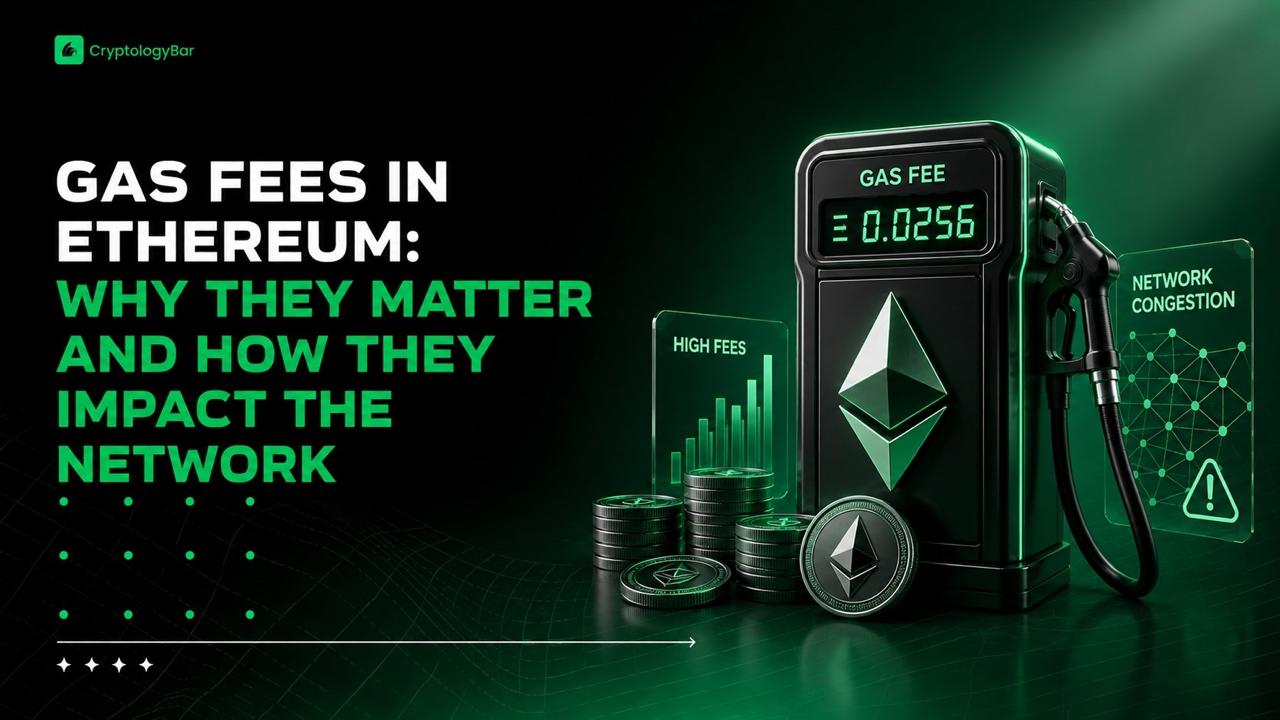
One of the main reasons gas fees become expensive is network congestion. When too many users try to perform transactions at the same time, the demand for processing power exceeds the network’s capacity.
In such situations, users increase their gas prices to ensure their transactions are processed quickly. This bidding process drives up fees across the network. As a result, even simple transactions can become costly during peak periods.
This issue has been a major challenge for Ethereum, especially as its popularity has grown. High gas fees can discourage users and limit the accessibility of decentralized applications.
Gas Fees and Smart Contracts
Gas fees are particularly important when it comes to smart contracts. These self‑executing programs run on the Ethereum blockchain and perform complex operations. Since they require more computational work than simple transactions, they consume more gas.
For example, interacting with DeFi platforms, minting NFTs, or executing multi‑step transactions can result in higher gas fees. Developers must carefully design smart contracts to be efficient, as inefficient code can lead to unnecessarily high costs for users.
This makes gas optimization an important aspect of building applications on Ethereum.
Why Gas Fees Matter for Users
For everyday users, gas fees directly impact the cost of using Ethereum. High fees can make small transactions impractical, as the cost of the fee may exceed the value of the transaction itself.
This is particularly relevant for users in developing regions or those making micro‑transactions. It also affects participation in DeFi platforms, where frequent interactions can quickly add up in costs.
Understanding gas fees allows users to make informed decisions, such as choosing the right time to transact or adjusting their gas settings to balance speed and cost.
Ethereum Upgrades and Gas Fee Reduction
To address the issue of high gas fees, Ethereum has introduced several upgrades. One of the most significant changes came with Ethereum 2.0, which aims to improve scalability and efficiency.
Another important update is the introduction of a new fee structure that includes a base fee and a tip for validators. This system helps stabilize gas prices and makes fees more predictable for users.
Additionally, future improvements such as sharding are expected to increase the network’s capacity, reducing congestion and lowering fees over time.
Layer 2 Solutions and Their Role
Layer 2 solutions have emerged as a practical way to reduce gas fees on Ethereum. These are secondary frameworks built on top of the main blockchain that process transactions more efficiently.
By handling transactions off the main chain and then settling them on Ethereum, Layer 2 solutions significantly reduce the amount of gas required. This results in faster and cheaper transactions for users.
These solutions are becoming increasingly popular and are expected to play a major role in the future of Ethereum scalability.
Balancing Cost and Speed
One of the unique aspects of gas fees is the ability to balance cost and speed. Users can choose to pay higher fees for faster transaction processing or lower fees if they are willing to wait longer.
This flexibility allows users to tailor their experience based on their needs. For example, urgent transactions may require higher fees, while non‑urgent ones can be processed at lower costs during less congested times.
Understanding this balance is key to using Ethereum efficiently.
The Future of Gas Fees
As Ethereum continues to evolve, gas fees are expected to become more manageable. Ongoing upgrades, improved infrastructure, and the adoption of Layer 2 solutions are all contributing to a more scalable and cost‑effective network.
While gas fees may never disappear entirely, their impact is likely to diminish as the technology matures. The goal is to create a system where users can interact with decentralized applications without facing prohibitive costs.
Final Thoughts
Gas fees are a fundamental part of how Ethereum operates. They ensure the network remains secure, efficient, and resistant to abuse, while also providing incentives for validators.
Although high fees can be a challenge, they also reflect the growing demand and utility of the Ethereum network. By understanding how gas fees work and why they matter, users can navigate the ecosystem more effectively and make smarter decisions.
As Ethereum continues to innovate and scale, gas fees will remain a key topic in the ongoing evolution of blockchain technology.